Lubbock-area cotton crops are rotting in the mud after a bone-dry August tricked bolls into opening early, right before an uncharacteristically soggy autumn ruined the harvest. KCBD reports that growers who chose to wait out the late summer are now watching the region’s signature cash crop spoil on the stalk.
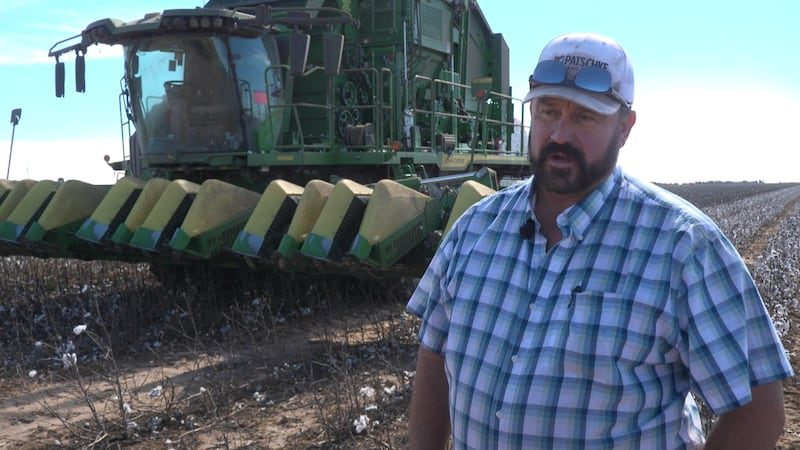
Because nature on the South Plains specializes in vicious comedic timing, the local weather couldn’t settle for a standard dry spell. Idalou farmer Brandon Patschke explained that August’s dryness opened the burrs ahead of schedule, setting them up to soak in rain through September and October until mold took over.
“It looks like these machines are on fire when they’re running,” Patschke said. “It’s just all that black soot that’s in with the leaf that stayed wet for a month of September in the early part of October and throughout October.”
In a normal year, farmers can count on all four locks in a boll being usable. This season, Patschke said only two locks are decent, while the others have rotted away to leave little to no seed.
Rising diesel prices are compounding the mess, especially since soaked soil prevents equipment from operating at standard capacity. Machines that typically run 14 hours on a full tank are now maxing out at six because moisture forces an early shutdown every evening.
“This year with the ground being so wet, we’re only able to run six hours a day at max,” Patschke said. “As soon as the sun goes down, it gets really wet and we’re having to shut down for the moisture.”
Relief with No Details Attached
Naturally, federal authorities responded with their customary brand of bureaucratic clarity. The Trump administration announced an $8 billion Harvest Fuel Relief Program in late October to help lower farm input costs, but the U.S. Department of Agriculture noted that eligible commodities have not yet been announced.
“The fuel will help. It ain’t going to hurt anything for sure,” Patschke said. “But we don’t wait for the check. We just got to keep going and get it out.”
While Washington bureaucrats deliberate over whether West Texas cotton qualifies as a crop worth helping, producers are left burning expensive fuel just to pull black soot and ruined lint from the mud. Still, Patschke remains hopeful about next season, noting, “It’s been a tough one, but we’ll all get through it and look forward to the next one.”
After all, why farm anywhere else when you can gamble your livelihood on weather that pivots from desert drought to swamp mold in less than a month?
Source: