According to the National Weather Service, 2025 was the second-warmest year ever recorded in Lubbock, narrowly losing the gold medal to 2024 because apparently we’re speed-running climate records now. Eleven out of twelve months were warmer than normal, capped off by a Christmas Day high of 86°F, which is a festive way of saying “shorts and sunburn.” January was the lone month that remembered winter still exists, but it barely tried.
Rainfall? Technically “near average” at 17.51 inches, which sounds comforting until you realize it mostly showed up in dramatic bursts sandwiched between long dry stretches. Early 2025 was dry enough to kick drought conditions back into gear, then June decided to go absolutely feral with storms, dumping more rain in 48 hours than the previous three months combined. Farmers got just enough well-timed moisture to survive, which in West Texas counts as a miracle.
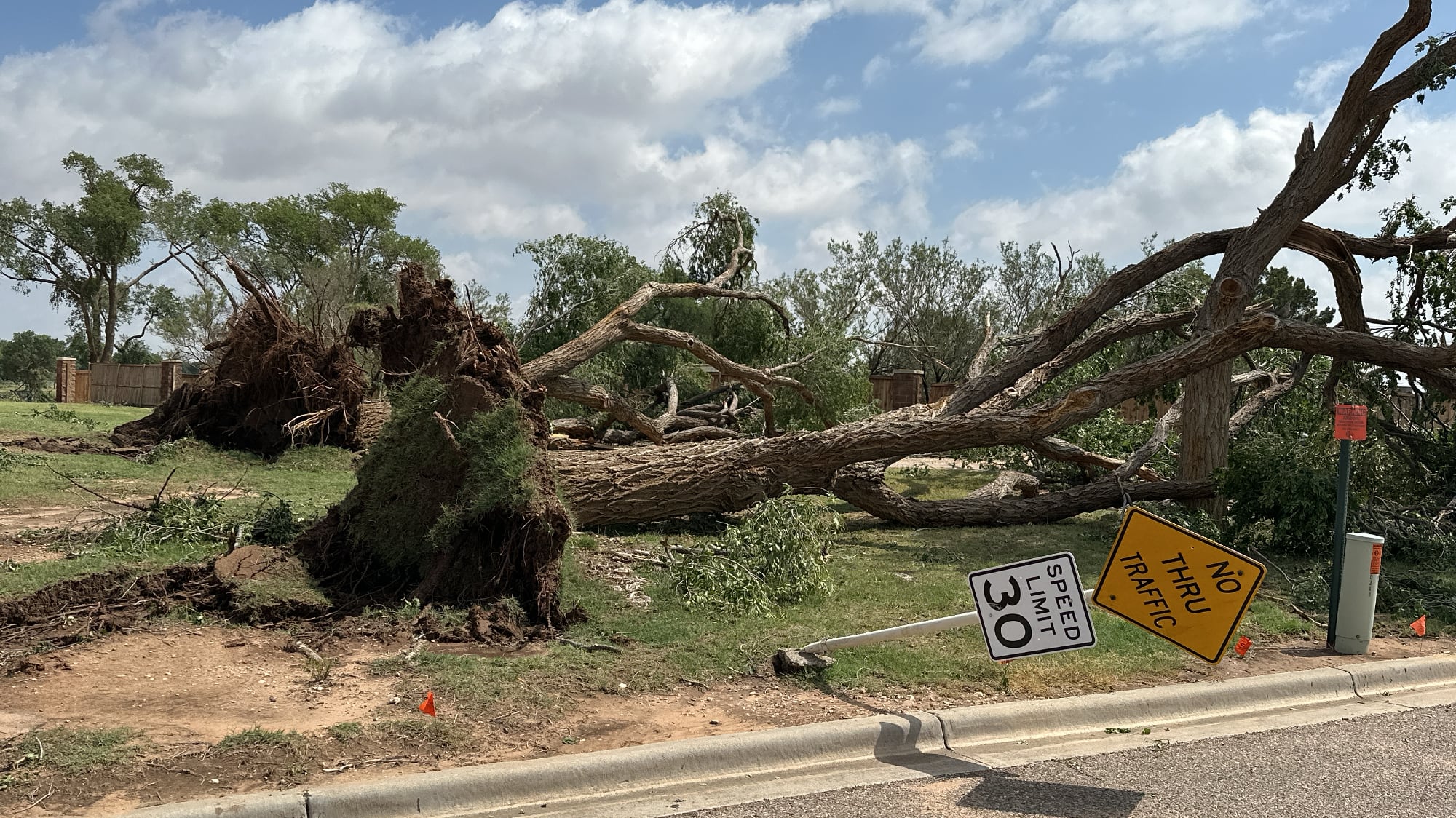
Speaking of feral: 25 tornadoes touched down across the region in 2025, beating the long-term average because why not. The highlight was June 5, when a single supercell produced eight tornadoes, including multiple EF2s that damaged homes, rolled a semi, and tore up Reese Center—before politely stopping short of central Lubbock and settling for hail damage instead. Considerate, really.
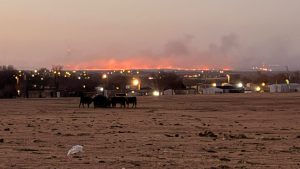
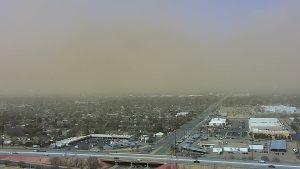
The rest of the year was a sampler platter of West Texas chaos: hurricane-force winds, dust storms, tennis-ball to DVD-sized hail, snow in April (because of course), record heat in November, and reservoirs seesawing up and down like a badly managed checking account. By year’s end, it was warm, dry again, and flirting with drought—just in time to remind us that this is the new baseline, not an anomaly.
Second-hottest year on record, Christmas in the 80s, and tornadoes by the dozen—but sure, let’s keep pretending this is just “one of those weird years,” right?