In the first year of Donald Trump’s second term, the Environmental Protection Agency decided regulations were just… suggestions. Under new administrator Lee Zeldin, the agency announced 31 deregulatory moves in its first 100 days—what Zeldin proudly called the EPA’s “greatest day of deregulation.” Translation: roll back soot limits, stall power-plant rules, mess with the legal backbone of climate policy, and generally act like pollution is a personality trait we should embrace.
Environmental advocates say the signal is clear: less enforcement, fewer guardrails, and a lot more risk—especially in Texas, where heavy industry already breathes easier than most residents. The Sierra Club points out that if the state were eager to regulate on its own, federal pullbacks might sting less. But Texas isn’t exactly known for stepping in when Washington steps out. The Texas Commission on Environmental Quality insists it takes public health seriously and enforces the law quickly—comforting words, now conveniently untethered from stricter federal standards.
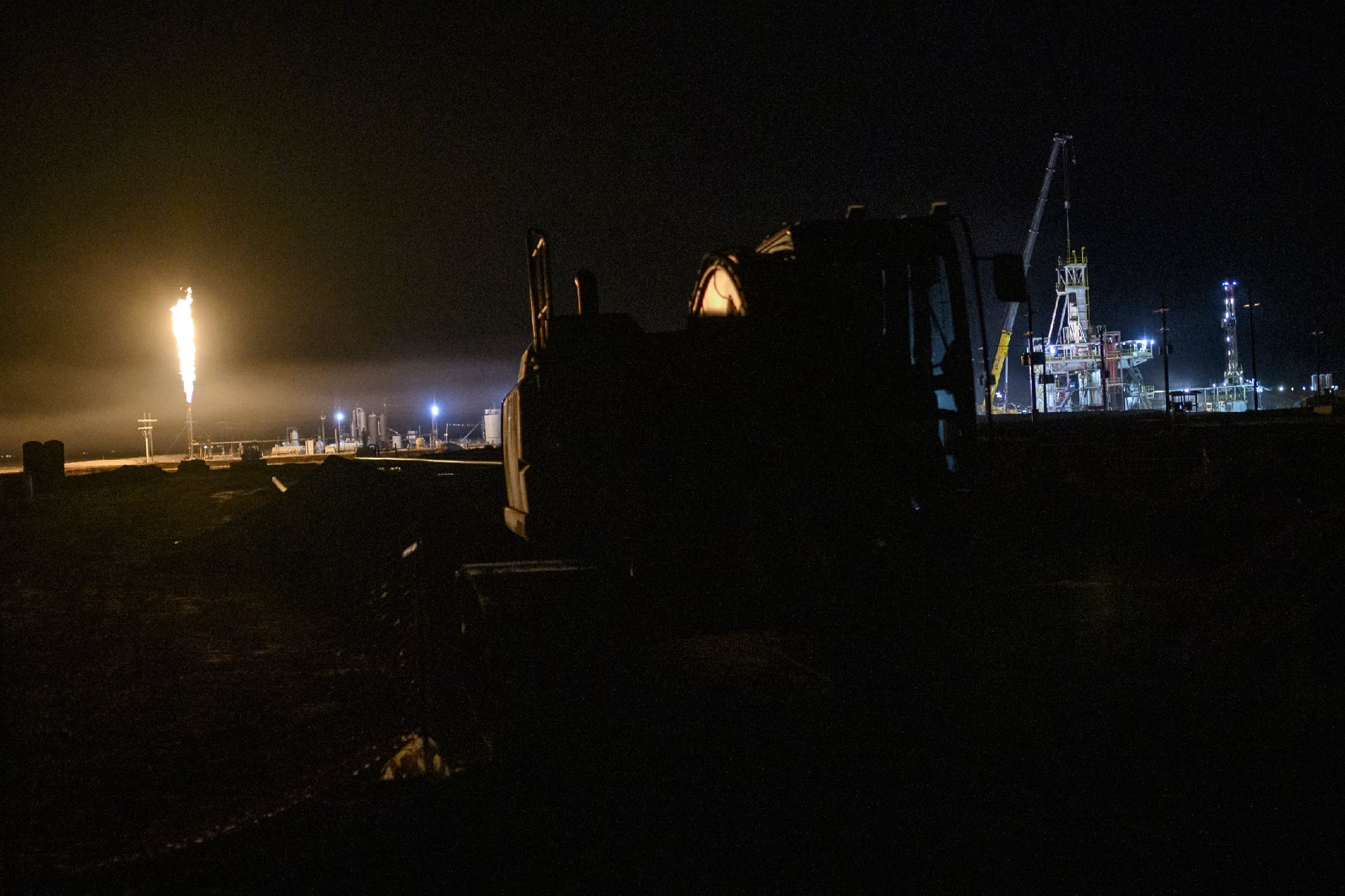
One big pause button hit methane rules—those pesky requirements that would have forced oil and gas operators to find leaks and stop routine flaring. Texas still doesn’t have a plan, and the deadline to make one got pushed to 2027. Meanwhile, New Mexico went ahead and did the thing, cutting methane emissions in its slice of the Permian Basin to about half of Texas’s. Same oil patch, different outcomes. Guess which one chose rules over vibes?
Then there’s soot—PM2.5—the deadliest air pollutant, according to researchers. A stronger standard finalized in 2024 would’ve forced cleanup plans in parts of Dallas–Fort Worth, Houston, and Texarkana. But the process stalled after Trump’s return, and the EPA even asked a court to toss the tougher rule without the usual public input. The rule technically still exists, which is a fun legal limbo where everyone waits to see if breathing clean air is still fashionable.
Finally, the EPA started yanking at the whole climate framework—proposing to scrap emissions reporting and even stop counting health-care savings from pollution rules. The Environmental Defense Fund warns that ditching the data could actually hurt Texas industry, making our gas harder to sell to buyers who, inconveniently, want proof it’s “cleaner.” Public Citizen says the particulate rule alone would’ve delivered massive health benefits—especially by cutting diesel pollution from trucks. Hope remains, they say. Hope, apparently, is the new policy tool.
So if Texas air gets worse while the rules get looser, will we call it “economic freedom”—or just another day of holding our breath and pretending everything’s fine?
https://www.texastribune.org/2026/01/21/texas-trump-epa-regulation-rollback/