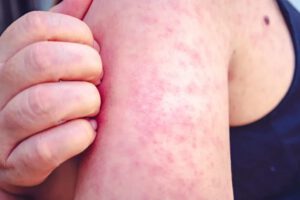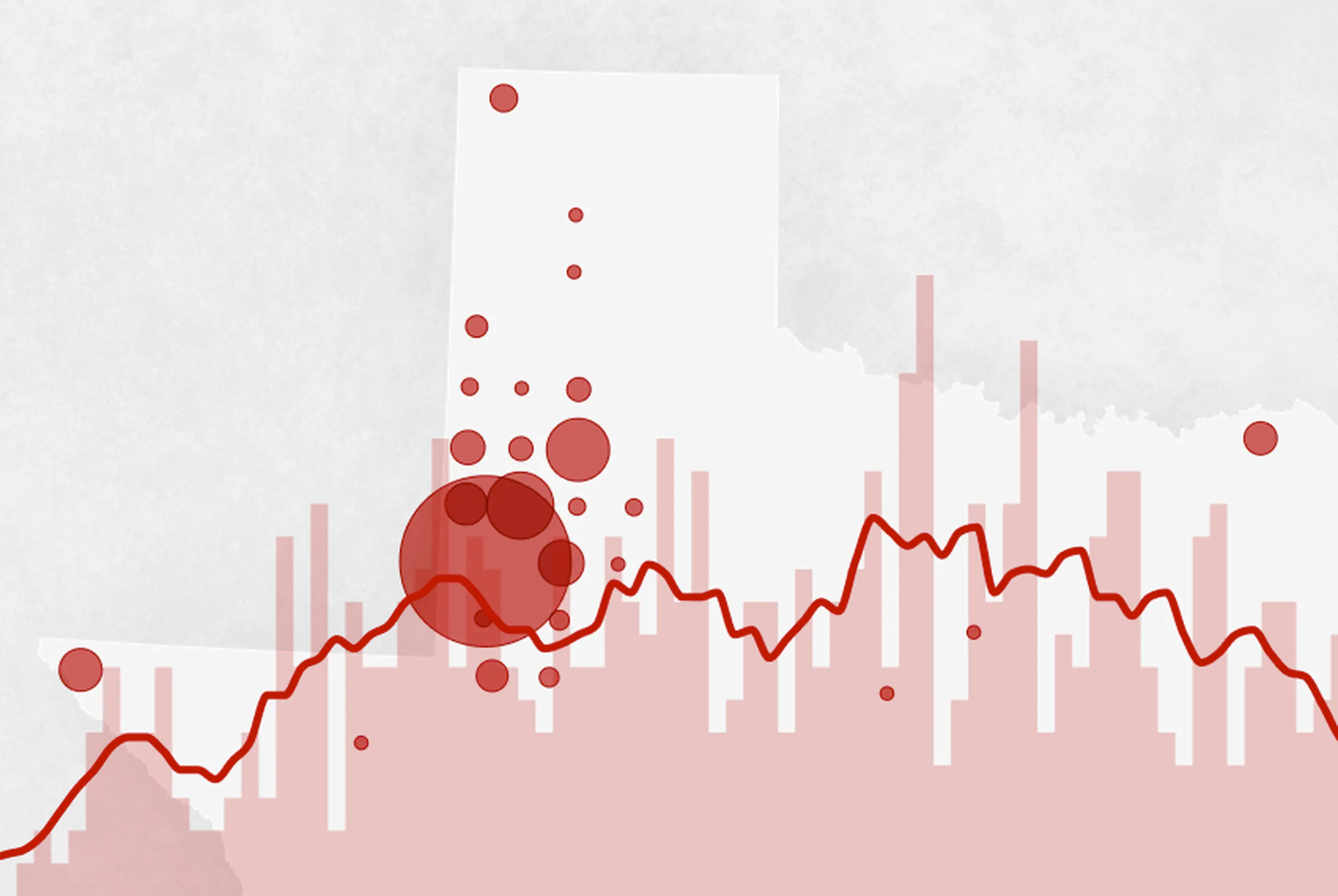
A year after measles tore through Texas—starting right here in West Texas—the Lubbock Health Department says the outbreak is officially over. It wrapped up in August 2025 after just under 800 cases, 99 hospitalizations, and two children lost. Yes, that’s “just a rash,” if your definition of rash includes encephalitis, hospital stays, and funerals.
Health officials are quick to point out that West Texas hasn’t seen a confirmed measles case since the outbreak ended. Gold star! Unfortunately, measles didn’t get the memo. Outbreaks elsewhere—South Carolina, parts of Utah and Arizona—are now exploding, with hundreds quarantined and infections reported across nine states. Turns out viruses don’t respect county lines or victory laps.
Public health leaders keep repeating the part that somehow still needs repeating: measles is preventable with a vaccine. Most current cases nationwide are among people who are unvaccinated or whose vaccination status is unknown. Yet here we are, flirting with a 30-year high in cases and risking the loss of the U.S.’s measles “elimination status,” while some national officials downplay the risks or muddy the waters about the MMR vaccine—before sheepishly admitting later that, yes, it actually works.
So Lubbock did its part, declared the outbreak over, and put the banner away. Meanwhile, measles is still circulating, holiday travel is spreading it around, and the health department is once again urging the unvaccinated to come get the MMR shot—available locally, no less
We survived the outbreak, learned the lessons, and then immediately started arguing with science again—what could possibly go wrong this time?