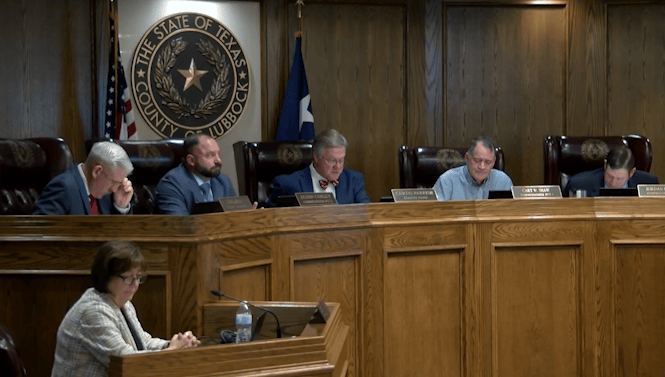
While major Texas cities like Houston, Austin, and San Antonio are busy pumping the brakes on federal immigration enforcement, our visionary leadership in Lubbock looked around the South Plains and decided we simply don’t have enough federal liability on our tab. In a narrow 3-2 vote, Lubbock County Commissioners officially greenlit agreements allowing constables in Precincts 1, 2, and 4 to hop into ICE’s 287(g) Task Force Model. Because when you think of local constables serving court notices and wrangling precinct paperwork, your first thought is obviously: why not multitask as federal immigration agents on the side?
The irresistible hook that convinced our eager constables wasn’t civic duty, but the oldest bait in the small-town playbook: free gear. Participating offices were lured by the promise of funding for training, equipment, and shiny new patrol vehicles, supposedly including a $100,000 upfront payout and $75,000 every quarter. There’s just one hilarious, peak-Lubbock detail: County Attorney Neil Burt had to break the news that none of those payment terms are actually in the contracts. That’s right—the county just signed up for controversial federal enforcement duties based on what amounts to a separate, informal “trust us, bro” from ICE.
To their credit, County Judge Curtis Parrish and Commissioner Mike Dalby tried to inject a shred of common sense into the dais, voting against the measures after Parrish flatly warned that the contracts fail to protect Lubbock County from looming liability issues. Meanwhile, the constable from Precinct 3 quietly passed on the entire circus, citing the radical idea that their office already has an actual workload to handle. But why let things like unwritten funds, extra workloads, or massive legal exposure stand in the way of three commissioners eager to push a 3-2 vote over the finish line?
Nothing captures the genius of local West Texas governance quite like volunteering county personnel for federal crosshairs and trading legal protection for hypothetical pickup trucks—honestly, what could possibly go wrong?
Sources: