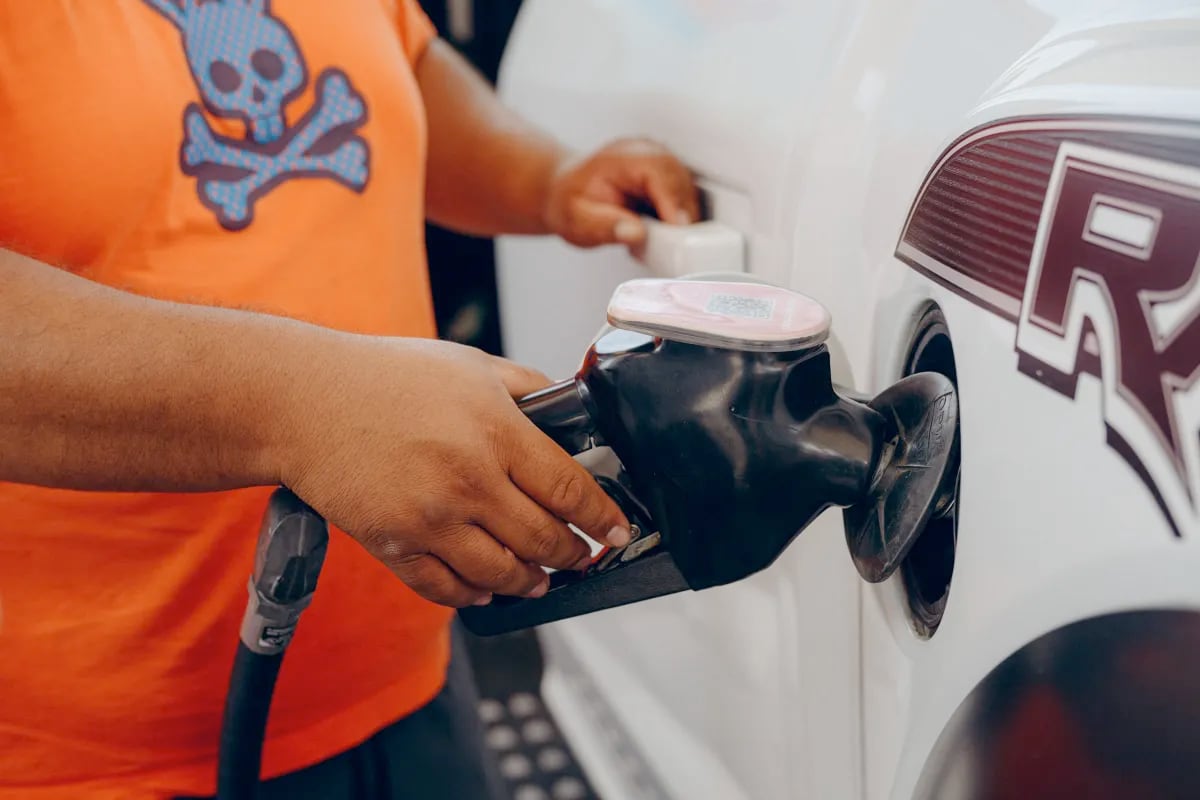
Well, folks, the geopolitical dominoes are falling, and right at the end of the line is our beloved Hub City, getting kicked directly in the wallet. Thanks to the U.S.-Israel war with Iran choking off the Strait of Hormuz, gas prices across Texas have surged from an adorable $2.55 back in February to a soul-crushing $4.52. Meanwhile, Texas oil companies are raking in historic, sky-high profits, but they’re refusing to drill new wells because uncertainty is apparently bad for business but fantastic for their bank accounts.
Naturally, this global mess has trickled down to the City of Lubbock’s Fleet Operations, where director Dominic Esperat is currently sweating over the realization that running 2,000 municipal vehicles costs money. The city’s bulk fuel prices have spiked 13% over last year, with unleaded sitting at $2.95 and diesel hitting a whopping $4.11. Having already burned through $2.8 million of their $5.3 million fuel budget, officials are bravely predicting they might just overshoot that number. Shocking, I know.
But don’t panic, taxpayers—the city’s top minds are employing a masterclass in crisis management. When asked about how they plan to strategically time their bulk fuel purchases around volatile global markets, Esperat dropped this absolute logistical bombshell: “If we need to order the fuel, we will.” Groundbreaking stuff. Truly, the ghost of supply-and-demand economics is weeping tears of joy at that kind of tactical brilliance.
To further combat this international shipping blockade, the city is also reminding workers to perform preventative maintenance, like regular oil changes, and to try running “efficient routes.” Because as we all know, nothing offsets a Middle Eastern energy war quite like a freshly lubed garbage truck driving in a straight line.
I guess we can all sleep soundly tonight knowing that while the global economy burns, Lubbock is tackling an international energy crisis by teaching municipal employees how to use a map.
Sources: