A strong El Niño is setting up shop for the upcoming winter, bringing wetter-than-average conditions and stormier weather across the southern tier of the country. According to NOAA’s U.S. Winter Outlook released by the National Weather Service, drought conditions across the Southern Great Plains and Southwest are forecast to improve or end entirely by late January.
Naturally, the prospect of actual liquid falling from the sky means regional drainage planning will face its annual existential crisis. While drought relief sounds pleasant on paper, parched West Texas soil has a stubborn habit of repelling sudden downpours like solid concrete.
“As we know from decades of observations, a very strong El Nino will likely bring a southward and eastward shift to the jet stream for the contiguous U.S., which tilts the odds toward stormier weather across the South,” said Ken Graham, director of NOAA’s National Weather Service. Graham also noted that “too much precipitation on dry soil can fuel destructive flash floods and mudslides,” urging communities to plan ahead for the months between December 2026 and February 2027.
Upgrading the Panic Button
To help everyone process the damp forecast, the weather service unveiled several new forecasting tools for the season. Forecasters can now consult the Probabilistic Precipitation Portal, an interactive map and data platform showing low-end, expected, and high-end snow, ice, and rain projections to assist local emergency managers.
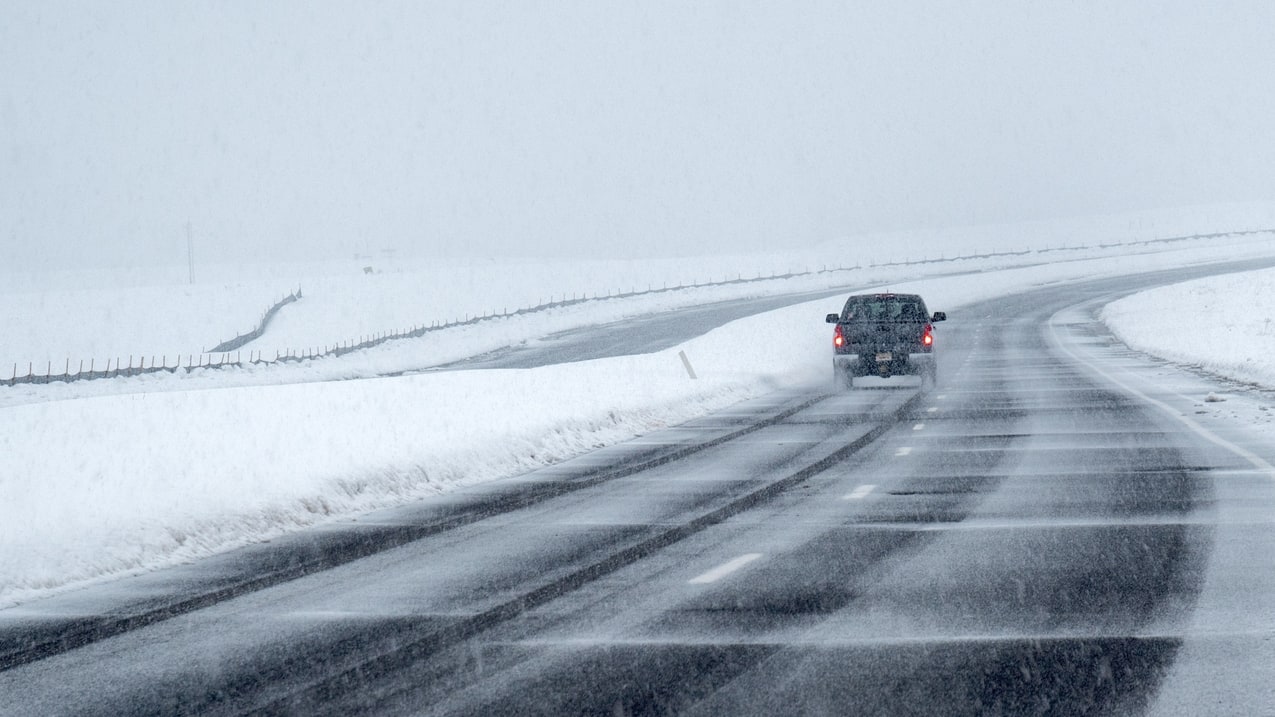
More dramatically, the agency will begin slapping the label “Particularly Dangerous Situation” onto select Blizzard Warnings and Ice Storm Warnings. The designation is reserved for rare, historic storms posing imminent danger to life—a classification designed to save lives, though it will almost certainly fail to deter anyone in a lifted four-wheel-drive pickup from doing 80 on a sheet of black ice.
NOAA clarified that the seasonal outlook does not project total snowfall accumulations, as snow cannot reliably be predicted more than a week in advance. The Weather Prediction Center plans to issue its next monthly update on November 19.
Until then, drivers have a few weeks to locate their ice scrapers and ponder whether any road out here was ever graded to shed water.
Source: