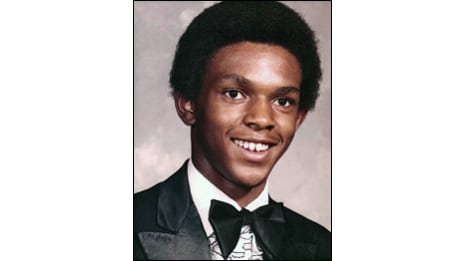
Back in 1985, a serial rapist was terrorizing the Texas Tech campus. According to survivors, the predator was a chain-smoker who threatened them with a knife. Naturally, Lubbock’s finest locked their sights on Timothy Cole—a decorated Army veteran, Texas Tech student, and severe asthmatic who didn’t smoke. Why? Because an undercover cop saw him offer someone a ride in broad daylight and thought he looked like a composite sketch. To seal the deal, police rigged a photo lineup so blatantly—putting Cole in street clothes facing forward while everyone else was in sideways mugshots—that the victim was practically guided to his picture like a magnet to a fridge.
The prosecution’s case was a masterclass in small-town hubris and junk science. They had zero physical evidence, no fingerprints in the victim’s car, and a rock-solid alibi backed by multiple witnesses who were at home studying with Cole. But District Attorney Jim Bob Darnell wasn’t about to let pesky things like “facts” or “the space-time continuum” ruin his big moment. When another rape occurred on campus while Cole was literally out of town on bond with his family, authorities just shrugged, covered their ears, and proudly declared they caught the “Tech Rapist.” When Cole refused a plea deal because he was actually innocent, Jim Bob Darnell reportedly sneered, “We aim to oblige that.” Bulletproof legal logic, Jim Bob.
Meanwhile, the actual rapist, Jerry Wayne Johnson—who was already a convicted sex offender and heavy smoker—was practically begging to be arrested for it. He even listened to Cole weep in a nearby jail cell. For years, starting in the mid-90s, Johnson mailed letters to Lubbock prosecutors and courts explicitly confessing to the crime so he could clear his conscience. But replying to mail takes effort, and the Lubbock justice system was far too busy protecting its stellar reputation to read a literal confession. Instead, Cole spent 13 years behind bars before dying of an asthma attack in prison in 1999 at the age of 39.
It took another decade, modern DNA testing, and an Austin judge to finally grant Cole the state’s first posthumous exoneration, mostly because local Lubbock judges refused to even hold a hearing on the matter. Today, a statue of Cole stands near Texas Tech looking toward the law school, etched with the words “And Justice for All.”
Because nothing says “Lubbock justice” quite like letting the real criminal run wild for a decade, ignoring his written confessions, letting an innocent man die in a cell, and then building a nice bronze statue to celebrate how right you finally were forty years later.
Sources: